
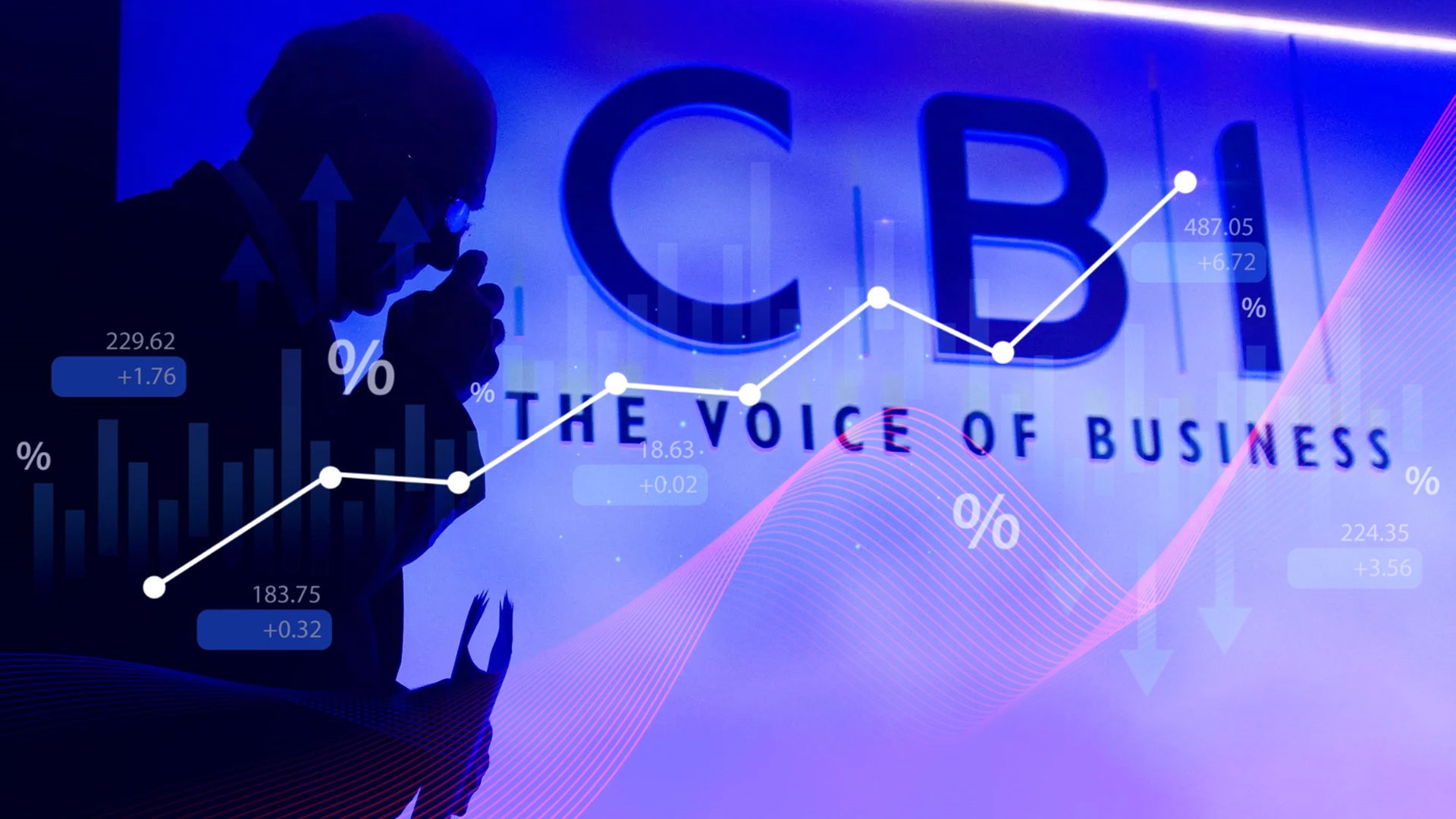
UK CBI Retail Sales Gauge Fell to Lowest Since 2020 in March
Retail trading conditions in the United Kingdom appeared to have weakened further in March 2026, as the Confederation of British Industry’s retail sales balance reportedly fell to -50 from -43 in February. The latest reading was also weaker than market expectations of -40 and marked the lowest level since April 2020, suggesting that consumer-facing businesses may have continued to face subdued demand and cautious household spending patterns. The decline was seen as another sign that pressure within the retail sector may have intensified during the month.
The March reading likely indicated that a larger share of retailers reported falling sales volumes compared with those seeing growth. Analysts had suggested that persistent cost-of-living pressures, elevated borrowing costs, and fragile consumer confidence may have weighed on discretionary purchases. Seasonal demand was also believed to have remained soft, limiting any meaningful recovery in store activity. While some categories may have shown resilience, the broader retail environment seemed to remain challenging.
Historical data showed that the UK CBI distributive trades balance had averaged 14.31 net balance points from 1983 through 2026, highlighting how unusual the current negative readings appeared relative to longer-term norms. The series had previously reached an all-time high of 72 in July 1984, while the record low of -55 was recorded in December 2008 during the global financial crisis. March’s result therefore suggested that retail sentiment may have approached some of the weakest levels seen in recent decades.
Looking ahead, market projections indicated that the balance could improve modestly to around -20 by the end of the current quarter, potentially pointing to some stabilization if consumer demand recovered. Longer-term estimates suggested the gauge might return to positive territory near 8 in 2027 and 12 in 2028. However, near-term performance was still likely to depend on inflation trends, interest-rate expectations, wage growth, and the overall confidence of UK households.
 US Home Price Growth Slowed Further in January as 20-City Index Missed Forecasts
Apr 28, 2026
US Home Price Growth Slowed Further in January as 20-City Index Missed Forecasts
Apr 28, 2026
 UK CBI Retail Sales Gauge Fell to Lowest Since 2020 in March
Apr 27, 2026
UK CBI Retail Sales Gauge Fell to Lowest Since 2020 in March
Apr 27, 2026
 Trade News Weekly Global Analysis
Apr 25, 2026
Trade News Weekly Global Analysis
Apr 25, 2026
 US Consumer Sentiment Was Revised Higher in April but Stayed at Record Low
Apr 24, 2026
US Consumer Sentiment Was Revised Higher in April but Stayed at Record Low
Apr 24, 2026
 US Continuing Jobless Claims Rose to 1.818 Million in Early April
Apr 23, 2026
US Continuing Jobless Claims Rose to 1.818 Million in Early April
Apr 23, 2026
 UK Factory Input Prices Rose Faster Than Expected in February
Apr 22, 2026
UK Factory Input Prices Rose Faster Than Expected in February
Apr 22, 2026
 UK Unemployment Rate Held at 5.2 Percent in Three Months to January
Apr 21, 2026
UK Unemployment Rate Held at 5.2 Percent in Three Months to January
Apr 21, 2026
 Eurozone Construction Output Reportedly Fell Again in February
Apr 20, 2026
Eurozone Construction Output Reportedly Fell Again in February
Apr 20, 2026
 Trade News Weekly Analysis
Apr 18, 2026
Trade News Weekly Analysis
Apr 18, 2026