
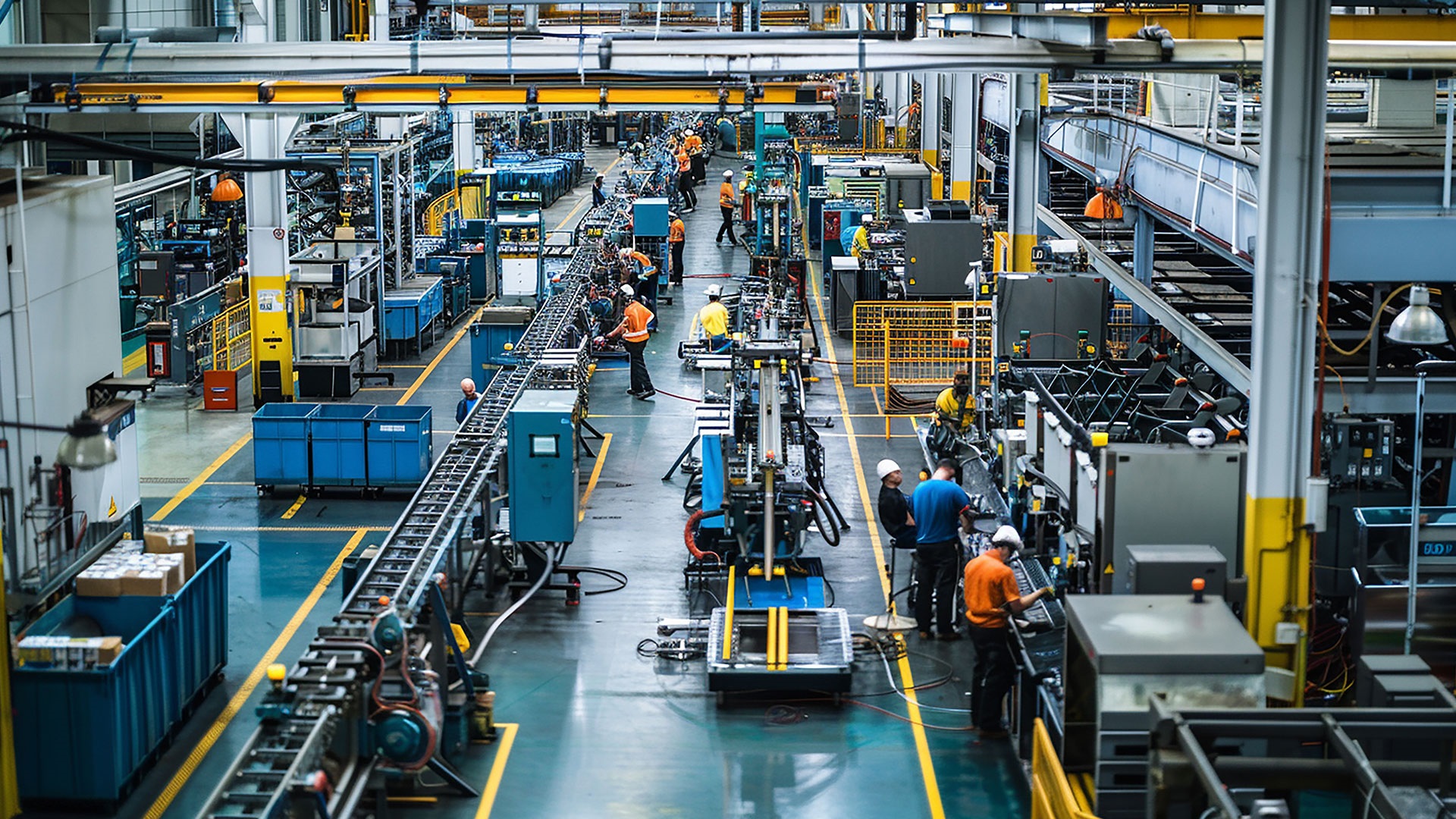
US Industrial Production Reportedly Rose 0.7% in January, Surpassing Expectations
Industrial production in the United States reportedly increased in January 2026, according to data released by the Federal Reserve on March 16, 2026. The report indicated that overall industrial output rose by 0.7% month-over-month, a figure that appeared to exceed market expectations of a 0.4% increase. The growth marked the strongest monthly gain since February of the previous year and suggested that activity across several industrial sectors may have strengthened at the start of the year.
The report suggested that manufacturing played a notable role in the overall rise. Manufacturing output was said to have advanced by 0.6% in January, also surpassing forecasts that had projected a 0.4% increase. The gains were described as relatively broad-based, with multiple industry groups reportedly recording higher production levels. The data appeared to indicate that factory activity could have shown signs of resilience despite ongoing uncertainties in the broader economic environment.
Other sectors, however, appeared to show mixed trends during the month. Mining output was reported to have declined by 0.2% in January, following a sharper 0.9% drop recorded in December. The decline in mining production suggested that the sector may have continued to face headwinds at the start of the year. In contrast, utilities output reportedly increased by 2.1%, a rise that may have been influenced by seasonal factors such as higher energy demand during colder weather conditions.
The Federal Reserve’s data also indicated a modest improvement in capacity utilization. The rate reportedly rose to 76.2% in January, reflecting the share of the nation’s industrial capacity currently in use. Despite the increase, the figure remained about 3.2 percentage points below its long-run average recorded between 1972 and 2025. The reading suggested that while industrial activity may have strengthened in the short term, overall capacity usage could still be operating below historical norms.
 Canadas Trade Deficit Widens Sharply in February Amid Import Surge
May 05, 2026
Canadas Trade Deficit Widens Sharply in February Amid Import Surge
May 05, 2026
 US Factory Orders Stalled in February Amid Mixed Demand
May 04, 2026
US Factory Orders Stalled in February Amid Mixed Demand
May 04, 2026
 Trade News Weekly Global Analysis
May 02, 2026
Trade News Weekly Global Analysis
May 02, 2026
 US Manufacturing Activity Showed Modest Growth Amid Rising Cost Pressures
May 01, 2026
US Manufacturing Activity Showed Modest Growth Amid Rising Cost Pressures
May 01, 2026
 US Fourth-Quarter GDP Seen Revised Down Amid Shutdown Impact
Apr 30, 2026
US Fourth-Quarter GDP Seen Revised Down Amid Shutdown Impact
Apr 30, 2026
 US Single-Family Home Price Growth Slowed in January, FHFA Data Showed
Apr 29, 2026
US Single-Family Home Price Growth Slowed in January, FHFA Data Showed
Apr 29, 2026
 US Home Price Growth Slowed Further in January as 20-City Index Missed Forecasts
Apr 28, 2026
US Home Price Growth Slowed Further in January as 20-City Index Missed Forecasts
Apr 28, 2026
 UK CBI Retail Sales Gauge Fell to Lowest Since 2020 in March
Apr 27, 2026
UK CBI Retail Sales Gauge Fell to Lowest Since 2020 in March
Apr 27, 2026
 Trade News Weekly Global Analysis
Apr 25, 2026
Trade News Weekly Global Analysis
Apr 25, 2026