
Japan’s Leading Economic Index Revised Higher in February Amid Improving Outlook
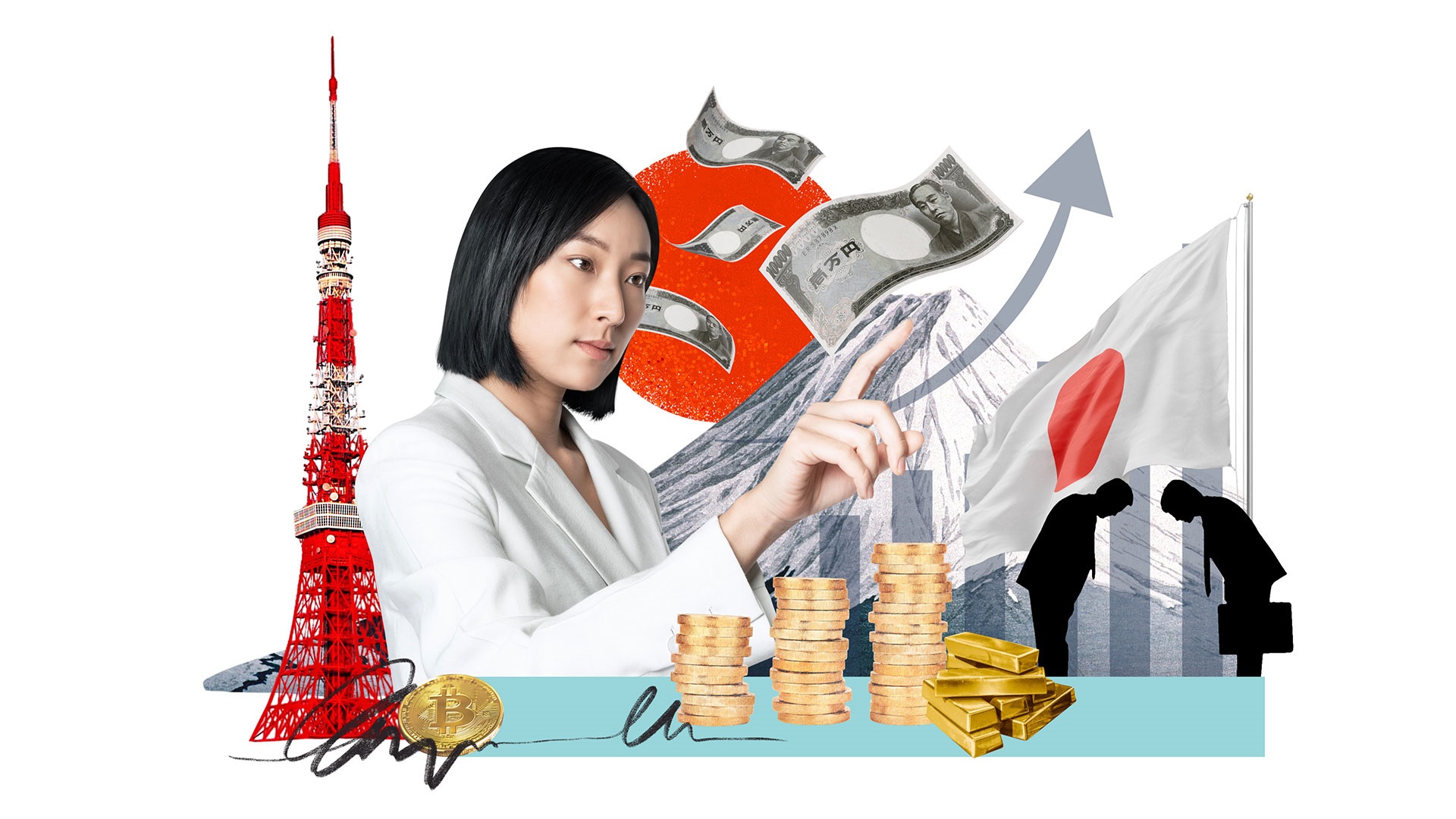
Japan’s leading economic index was reportedly revised upward in February 2026, reflecting signs of gradual improvement in the country’s economic outlook despite mounting external pressures. According to data released by the Cabinet Office, the leading index, which measures future economic activity through indicators such as job offers and consumer sentiment, rose to 113.3 from the preliminary estimate of 112.4. The latest figure also marked an increase from the previous month’s downwardly revised reading of 112.0 and represented the highest level recorded since August 2022.
The revised data suggested that Japan’s labor market conditions remained relatively resilient during the period. The unemployment rate reportedly eased to 2.6% after reaching a one-and-a-half-year high in January, while total employment increased by around 10 thousand to 68.27 million workers. Analysts noted that the improvement in employment conditions may have supported domestic demand and contributed to a more stable economic environment. Consumer confidence also appeared to strengthen, aided by Tokyo’s large-scale stimulus measures that were introduced to encourage household spending and help stabilize broader economic activity.
However, the outlook was still seen as facing several risks despite the stronger reading. Rising fuel prices linked to the impact of the Iran conflict reportedly intensified cost pressures across sectors, raising concerns over inflation and household expenses. Economists suggested that while government support and labor market improvements may have provided temporary relief, persistent increases in energy-related costs could continue to weigh on consumer purchasing power and business sentiment in the coming months.
Separate projections from Trading Economics indicated that Japan’s leading economic index was expected to moderate toward 107.0 points by the end of the current quarter. Longer-term forecasts suggested the index could trend near 117.0 points in 2027 before easing slightly to around 115.0 points in 2028, according to econometric model estimates and analyst expectations.
 US Consumer Inflation Expectations Eased Slightly in May, Michigan Survey Showed
May 22, 2026
US Consumer Inflation Expectations Eased Slightly in May, Michigan Survey Showed
May 22, 2026
 Japans Trade Surplus Expanded in March Despite Missing Forecasts
May 21, 2026
Japans Trade Surplus Expanded in March Despite Missing Forecasts
May 21, 2026
 US Crude Inventories Reportedly Fell More Than Expected in Latest Week
May 20, 2026
US Crude Inventories Reportedly Fell More Than Expected in Latest Week
May 20, 2026
 Australias Central Bank Reportedly Raised Cash Rate to 4.35 Percent Amid Inflation Concerns
May 19, 2026
Australias Central Bank Reportedly Raised Cash Rate to 4.35 Percent Amid Inflation Concerns
May 19, 2026
 Chinas Industrial Output Growth Reportedly Slowed to Multi-Year Low in April
May 18, 2026
Chinas Industrial Output Growth Reportedly Slowed to Multi-Year Low in April
May 18, 2026
 Chinas Industrial Output Growth Slowed in March Amid External Pressures
May 15, 2026
Chinas Industrial Output Growth Slowed in March Amid External Pressures
May 15, 2026
 UK GDP Growth Reached 0.6 Percent in Q1 2026 on Services Strength
May 14, 2026
UK GDP Growth Reached 0.6 Percent in Q1 2026 on Services Strength
May 14, 2026
 US Producer Prices Rose at Slower Pace Than Expected in March 2026
May 13, 2026
US Producer Prices Rose at Slower Pace Than Expected in March 2026
May 13, 2026
 Japans Leading Economic Index Revised Higher in February Amid Improving Outlook
May 12, 2026
Japans Leading Economic Index Revised Higher in February Amid Improving Outlook
May 12, 2026